
Suspended Access Solutions
Suspended Access Equipment is regulated by both Construction Regulations 2014 and Driven Machinery Regulations 2015. Suspended Access equipment is covered by SANS 51808, SANS 1903 and SANS 10295 parts 1 and 2. The latter standards are currently being revised to align them with the regulations.
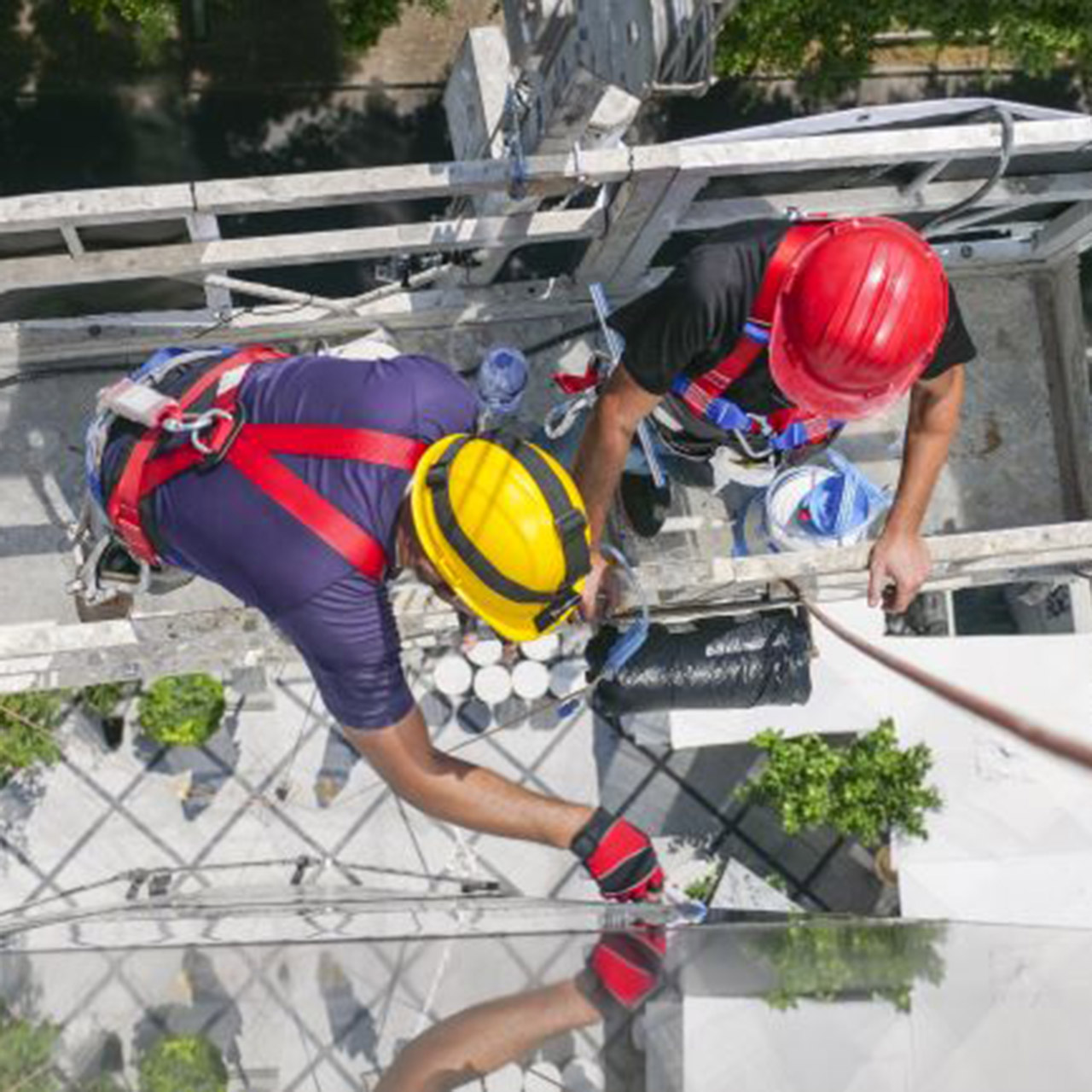
There are three broad categories of Suspended Access Equipment:
Temporary Suspended Platforms (TSP)
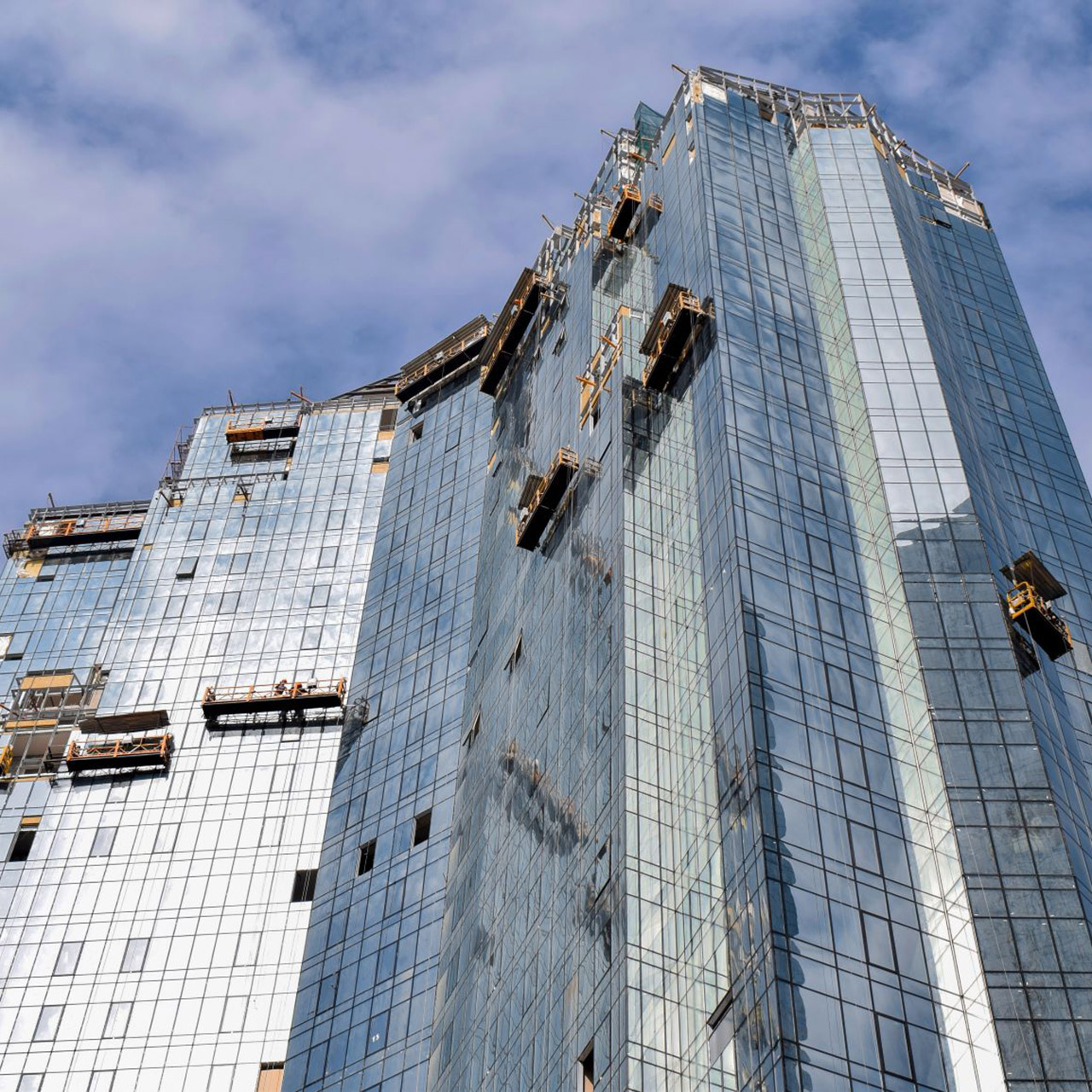
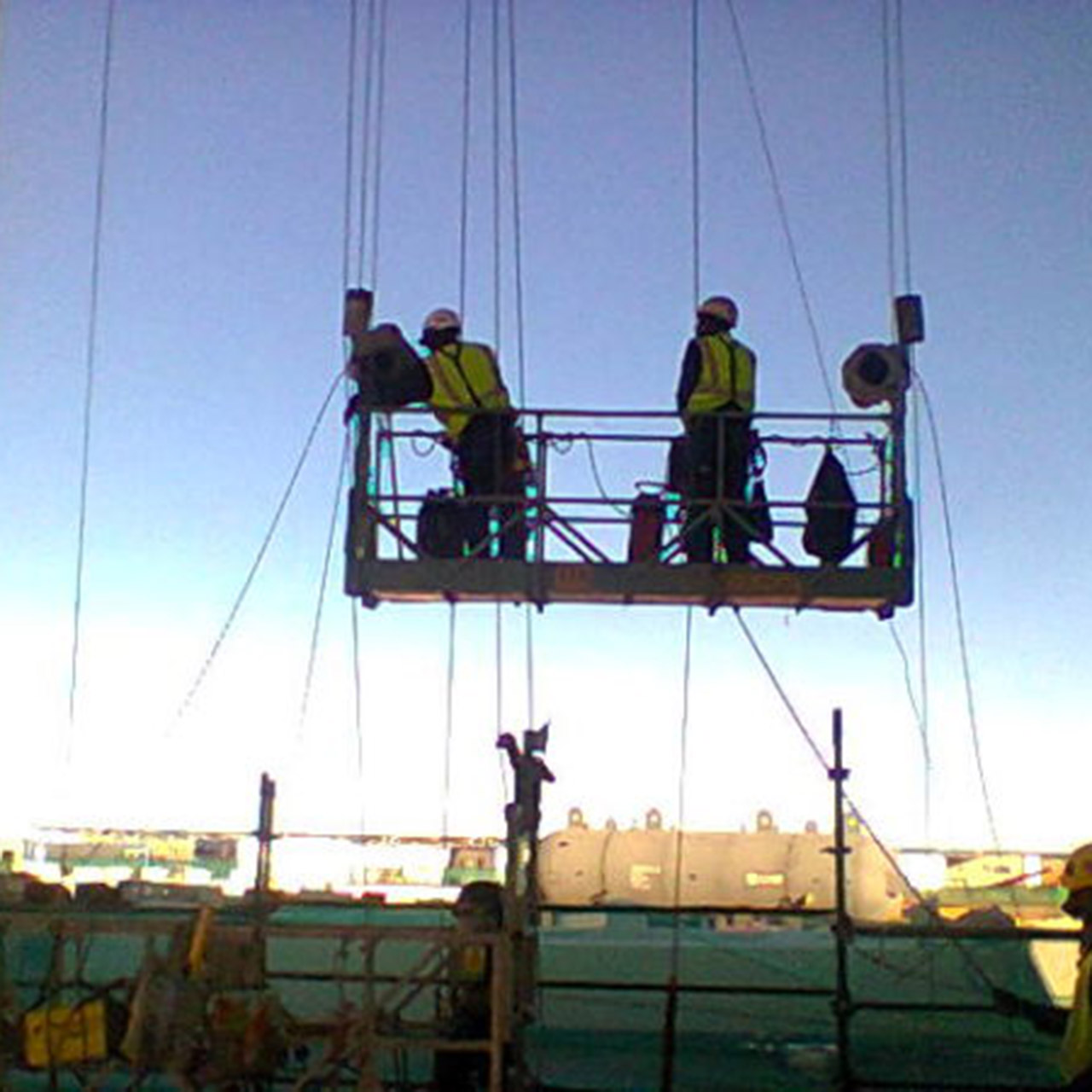
These are used on construction and major maintenance projects. The units are brought to site for the duration of the project and then removed. These do not stay permanently on the building.
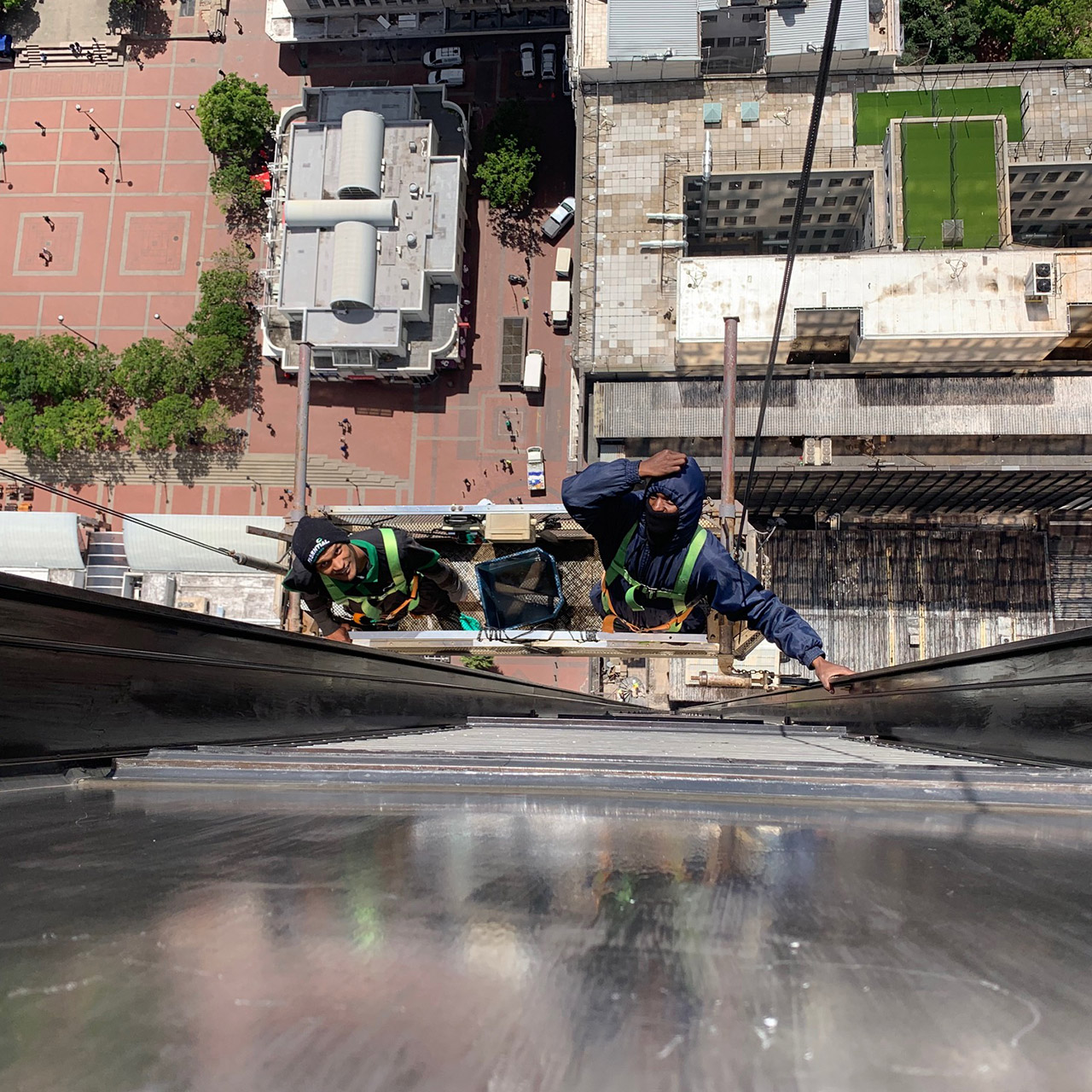
Building Maintenance Units (BMU)
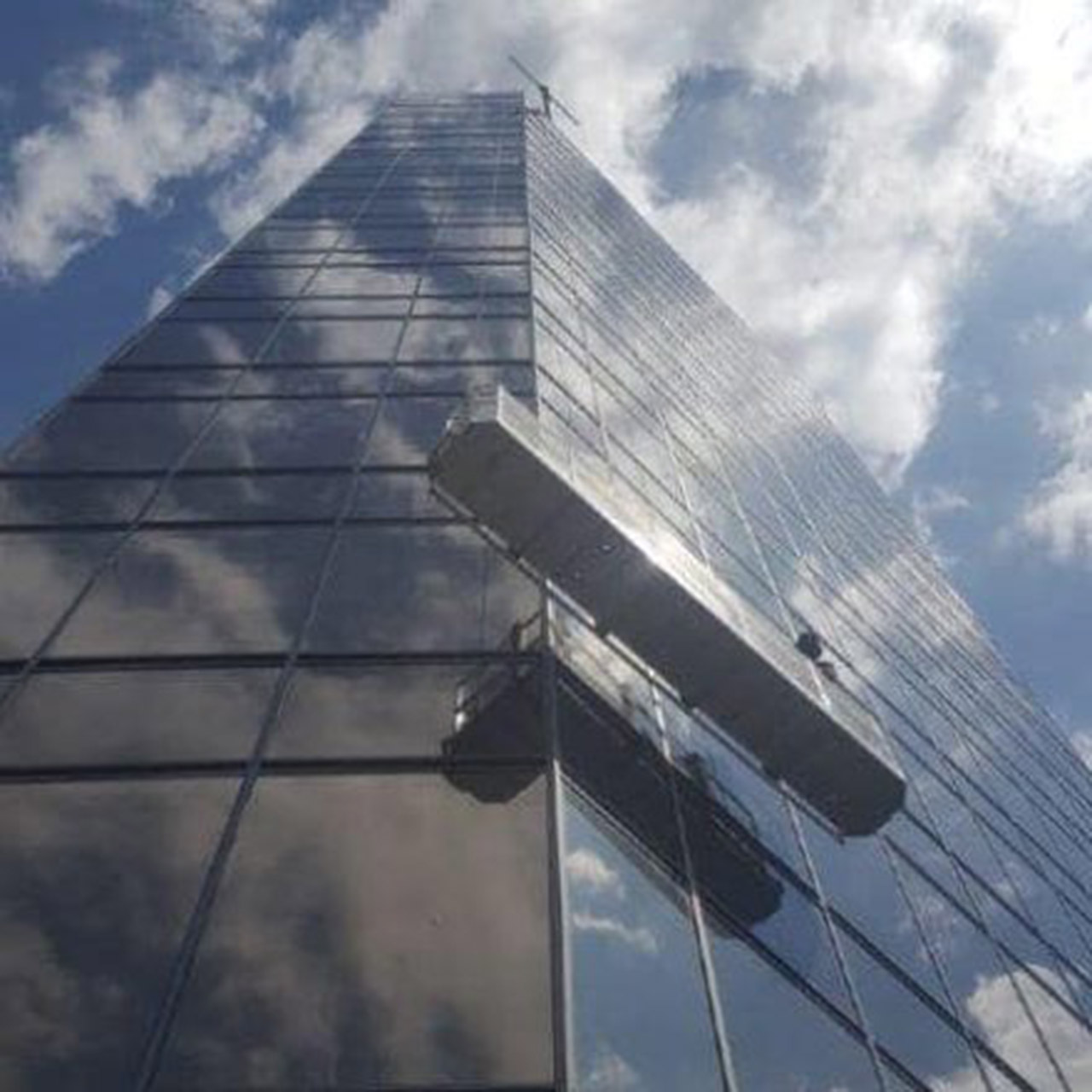
These units are permanently installed systems. The equipment is purpose built to suit the architecture of the building and can consist of roof mounted machinery or smaller systems that are suspended from either statically mounted davits or from mono-rails that are set just outboard of the façade line. The choice of either davits or mono-rails depend on aesthetics as well as cleaning efficiencies. This is negotiated with client to ensure the best possible solution.
These mono-rail / davit dependant platforms are de-rigged from the façade when not in use and stored, out of sight on the building premises.
Boatswain’s Chair
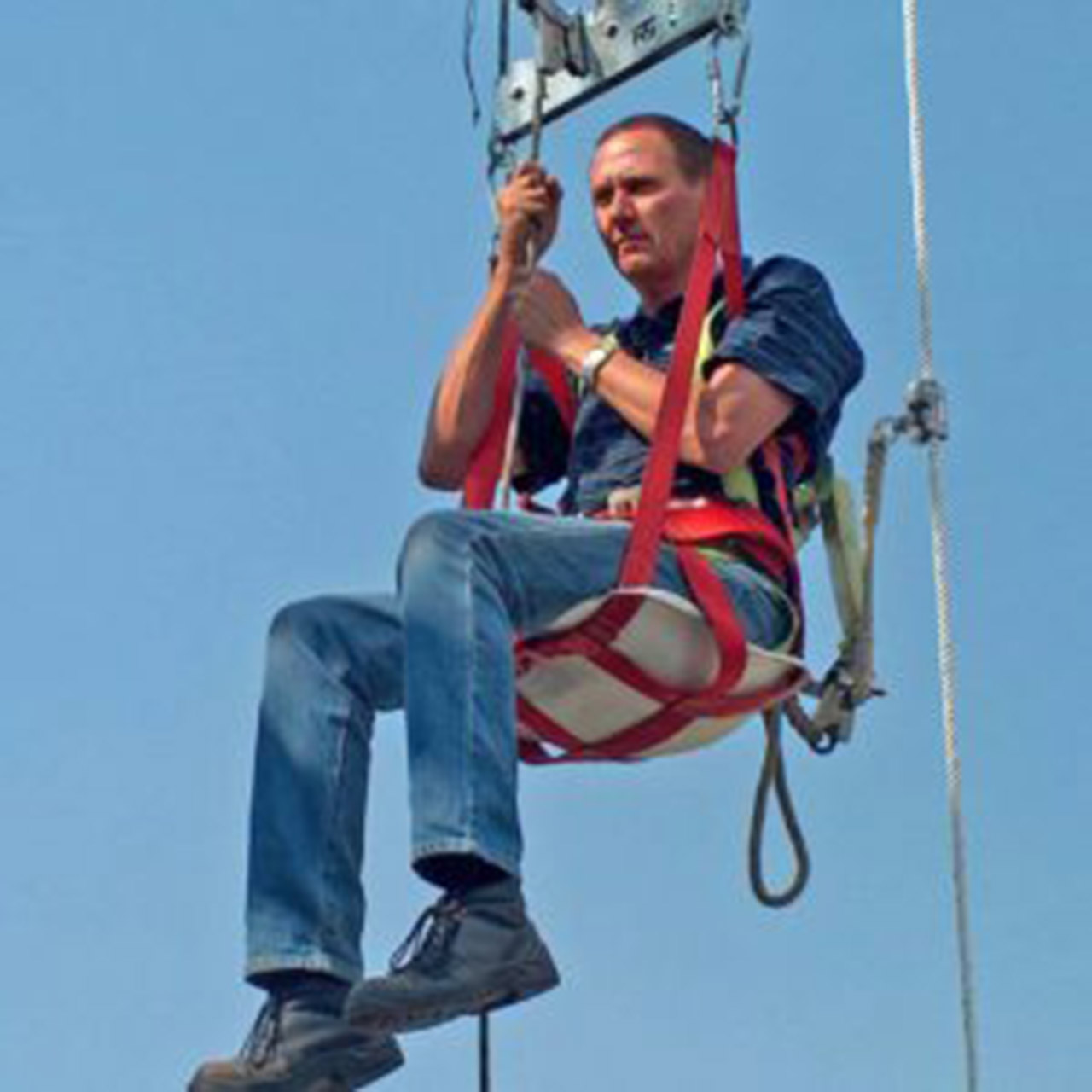
Boatswain’s chairs is a safe and fast way for one person to access medium rise building or structures. This low cost, manually operated chair can be used to reach confined spaces or to carry out spot-checks, inspections and/or repairs. The operator is secured to the chair and is also connected independently to a fall arrest safety line thus ensuring compliance for work at height safety requirements.
These chairs are used by conventionally trained persons and not by expensive rope access technicians.
Usage
Rigid horizontal anchor rail as per SANS 50795 – Class D or as mono-rails complying to SANS 51808 – Suspended Access Equipment. Supports designed in accordance with Section 6.5.3.4
Advantages
- Suspended platforms are designed for at least a 25 year life span. In many cases this period is exceeded. There are several existing machines which are properly maintained, that are still operating more than 35 years after initial installation.
- Long term maintenance to the external façade of the building is made much easier with a Building Maintenance Unit system.
- Low running cost- the window cleaning staff using this equipment are fully trained to operate the system but are not expensive, specialist, rope access technicians.
- Predictable budgeting- Service contracts are negotiated for the following maintenance cycle. In many cases these SLA Contracts cover 3 year periods with agreed costs.
Not Sure Which Work-at-Heights Training Your Team Needs?
The correct training depends on the work your employees will actually perform, the equipment they will use and the responsibilities they will carry.
WAHS can help you identify the appropriate training for fall arrest, rescue, fall protection planning, aluminium access towers, ladder users and Temporary Suspended Platform operators, erectors and supervisors.
Tell us what work your team performs and we will help you select the appropriate programme.
Have a question or need expert advice on working at height? Get in touch with us — we're here to help. Whether you’re looking for tailored training, safety solutions, or more information about our services, our team is ready to assist you. Reach out today and let’s talk about how we can support your height safety needs.
+27 11 902 3470
nadine@wahs.co.za
95 Bloutulp Road, Alberton